
Uncategorized
Clean Audit: Building a Culture of Year-Round Compliance


For many organizations, the annual audit feels like a high-stakes event that demands intense preparation in a short window of time. Teams scramble to gather documentation, reconcile accounts, and address compliance gaps, often at the expense of other priorities. While this approach may satisfy immediate requirements, it rarely supports long-term stability. A clean audit is not the result of last-minute effort; it is the outcome of a culture that prioritizes compliance throughout the year. Building that culture requires strategic planning, clear accountability, and continuous improvement.
Why Year-Round Compliance Matters
Compliance is a framework that protects financial integrity and organizational reputation. When compliance is treated as a seasonal task, errors accumulate unnoticed, and corrective actions become reactive rather than proactive. This reactive posture increases the risk of audit findings, regulatory penalties, and reputational damage.
Year-round compliance ensures that policies and procedures are consistently applied, reducing the likelihood of surprises during audit season. It also creates operational efficiencies by embedding compliance into daily workflows rather than treating it as an isolated project. Organizations that adopt this mindset often find that audits become smoother, less stressful, and more predictable.
Common Pitfalls of a Last-Minute Approach
Organizations that delay compliance efforts until audit season face several challenges. Documentation gaps are one of the most common issues. When records are incomplete or scattered across departments, auditors spend more time requesting clarifications, which prolongs the process and increases costs. Inconsistent application of policies is another frequent problem. If teams interpret rules differently throughout the year, discrepancies surface during the audit, leading to findings that could have been avoided.
Financial reporting errors also become more likely when oversight is sporadic. Without regular reconciliations and internal reviews, inaccuracies can persist for months, making them harder to correct later. These pitfalls highlight why a reactive approach often costs more in time, resources, and stress than a proactive one.
Building Systems That Support Continuous Compliance
Creating a culture of year-round compliance starts with strong systems. Automated tools for financial reporting, document management, and workflow tracking can significantly reduce manual errors and improve transparency. Regular internal audits or compliance reviews help identify issues early, allowing corrective actions before they escalate.
Clear policies and training are equally important. Employees should understand not only what compliance requires but why it matters. When staff see compliance as part of their role rather than an external burden, adherence improves. Leadership must reinforce this perspective by modeling accountability and recognizing teams that maintain high standards consistently.
Are you ready for the interview?
Practice interview questions in a real interview-style setting.
Organizations often seek external expertise to strengthen their compliance frameworks. Services such as government accounting services can provide valuable guidance on regulatory requirements, best practices, and internal control design. These resources help ensure that compliance efforts align with evolving standards and industry expectations, reducing risk and improving audit outcomes.
The Role of Leadership in Driving Cultural Change
Leadership commitment is the cornerstone of a compliance-driven culture. Executives set the tone by prioritizing transparency, ethical behavior, and accountability. When leaders view compliance as a strategic asset rather than a regulatory obligation, it influences the entire organization. This perspective encourages investment in technology, training, and process improvements that make compliance sustainable.
Communication is another critical factor. Leaders should articulate the benefits of continuous compliance, such as reduced audit costs, improved financial accuracy, and enhanced stakeholder confidence. By framing compliance as a contributor to organizational success, leadership can overcome resistance and foster engagement across all levels.
Measuring Progress and Maintaining Momentum
Building a culture of compliance is not a one-time initiative; it requires ongoing evaluation and refinement. Establish key performance indicators (KPIs) to track progress, such as the number of policy exceptions, timeliness of reconciliations, and results of internal audits. Use these metrics to identify trends and adjust strategies as needed.
Regular reporting to leadership and stakeholders reinforces accountability and demonstrates commitment to improvement. Celebrate milestones, such as successful internal reviews or reduced audit findings, to maintain momentum and recognize team contributions. Over time, these practices embed compliance into the organizational fabric, making clean audits the norm rather than the exception.
Conclusion
A clean audit is not achieved through last-minute effort but through a sustained commitment to compliance. Organizations that embrace year-round practices reduce risk, improve efficiency, and strengthen trust with stakeholders. By investing in systems, training, and cultural change, businesses can transform compliance from a seasonal challenge into a strategic advantage. The result is not only smoother audits but a stronger foundation for long-term success.
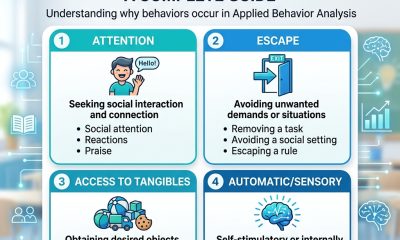

The 4 Functions of Behavior in ABA: A Complete Guide
Master the 4 functions of behavior (SEAT) with the complete ABA guide: definitions, clinical examples, function-based treatment table, functional assessment...

How to Renew Your RBT Certification: Step-by-Step Guide
Step-by-step RBT renewal guide: 4 required components, 90-day timeline, competency assessment requirements, what happens if your credential lapses, and year-round...

What to Do the Day Before and Day of Your Certification Exam
Day-by-day framework for the week before your exam, a specific night-before protocol, hour-by-hour exam morning guide, and in-exam tactics. Research-backed...


RBT Data Collection Methods: A Complete Guide
Complete guide to RBT data collection: continuous vs. discontinuous measurement, all 8 recording methods with tables, new 3rd Edition calculation...


ABA Therapy Techniques Every RBT Should Know
Complete guide to core ABA therapy techniques for RBTs: reinforcement types, DTT, NET, prompting hierarchies, chaining, differential reinforcement, and extinction....


RBT Supervision Requirements: Everything You Need to Know
Complete guide to RBT supervision requirements: the 5% monthly minimum, what qualifies as supervision, documentation standards, annual renewal, and what...
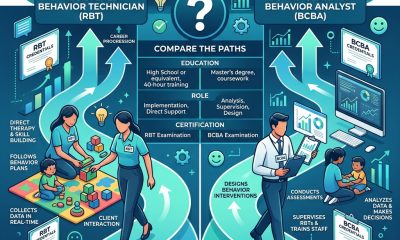

RBT vs. BCBA: What Is the Difference and Which Career Is Right for You?
RBT vs. BCBA: compare education requirements, salary data, scope of practice, and career timelines side by side. Includes 5 comparison...


RBT Practice Questions: How to Use Them Effectively
Research shows practice testing beats all other study methods by 43%. Learn how to use RBT practice questions with a...

The Best Study Methods for Passing Difficult Exams
Science ranks retrieval practice 43% more effective than re-reading. Discover the 7 best study methods for certification exams, with research...

How Long Should You Study for a Certification Exam?
How long should you study for a certification exam? Use our 3-step calculation framework, reference table of 8 certifications, Ebbinghaus...

Most Common Mistakes Students Make on Certification Exams (And How to Avoid Them)
Research shows 57% of answer changes go from correct to wrong. Discover the 10 most damaging certification exam mistakes —...

How to Pass the RBT Exam on Your First Attempt (Complete 2026 Guide)
The RBT exam has a ~68% first-attempt pass rate. Learn the exact 8-week study plan, domain breakdown with weighted tables,...

Top 10 Interview Questions For A Team Leaders
In order to increase your chances of landing a position as a team leader, it is essential to demonstrate your...

Interview Question For A Learning Support Assistant
Fear about possible questions for interviews are normal if you’re seeking a job as a learning support teacher. Remember that...

Top 10 Common Questions Asked In Sainsbury’s Interview
Everything you need to know about Sainsbury’s interview questions is right here. 10 most important question that might asked throughout...

10 Common Questions For Sen Teaching Assistant
When applying for a special needs teaching assistant position, demonstrate the hiring manager that you have the skills and compassion...

15 Questions Samples To Ask At End Of Teaching Assistant Interview
Here are some questions samples, you should ask the interviewer at the end of the teaching assistant interview. 15 Questions...

Interview Questions And Answers For Sales Associates
Your sales associate interview is a chance to sell yourself to the recruiting manager by discussing and demonstrating your interests,...

How To Write A Cover Letter In An Attractive Way?
Attaching a cover letter to your CV is a one-page document that serves the purpose of introducing you to a...

Interview Tips For A Supervisor Job
The interview questions you face for a management or supervisory role could differ from those you face for other positions....

What Are Competency Based Questions? The Ultimate Guide
A competency-based interview will focus on testing your knowledge, abilities, and character traits as they pertain to the position for...

Top 25 Tesco Interview Questions And Answers: Ultimate Preparation Guide
Preparing for a job interview can be a nerve-wracking experience, especially when it comes to a reputable company like Tesco....

10 Best Questions Samples For A Phone Interview
To ensure the applicants they promote to the hiring manager fit their criteria, recruiters typically employ phone interviews as a...

Top Interview Questions & Answers For Care Assistant
You may be wondering how to improve your chances of being hired if you are a personal care professional who...

Sample Interview Questions & Answers For Customer Service
If you’re interested in applying for a career in customer service, it’s important to prepare for your interview. This may...

Top 10 Interview Question For Boots
Boots is a successful pharmacy-led health and beauty business well-known for its dedication to providing excellent customer service and high-quality goods....

10 Common Safeguarding Interview Questions For Teaching Assistant.
You will be questioned on a range of issues when you attend an interview for the teaching assistant position. You...

Top 13 Excel Interview Questions & Answers
The most used spreadsheet program is Microsoft Excel. Every expert working in a big or medium-sized business nowadays uses this...

How To Answer The Question: What Do You Know About Aldi?
When you are getting ready for an interview at Aldi, it is essential to be prepared for certain questions that...

10 Best Answers For “Why Should We Hire You?
No matter the industry or position you’re seeking, some types of questions are sure to come up during a job...

16 Most Important Interview Questions For Teacher
Preparing for a job interview in the field of education? You may feel a mixture of excitement and anxiety. The...

Top 11 Retail Assistant Interview Questions
An interview provides you with the chance to showcase your abilities, personality, and work ethic to a potential employer while...

Top 10 Administration Assistant Interview Questions
Administrative professionals are in high demand. Using these abilities has actually been one of the five most sought-after job categories...

Top 10 Morrison’s Interview Questions And Answers
The supermarket chain Morrisons is one of the most successful in the UK and is well-known for its dedication to...

What Makes A Good Sen Teaching Assistant?
Students who have difficulty learning are provided with extra learning opportunities by a special educational needs (SEN) teaching assistant, who...

Best Answers To “Where Do You See Yourself As A Teacher In 5 Years?”
When you decide to pursue a career in education, you are not just making a professional decision; you are committing...

Top 10 Safeguarding Interview Questions For Support Workers
Those who serve as support workers are vital in ensuring that at-risk youth, families, and the elderly can live fulfilling,...

10 Common Interview Questions For McDonald’s
If you work for the most profitable business in history, flipping burgers is definitely not a dirty job. Fast food...

10 Important Interview Questions For Eyfs Teaching Assistant
Proven strategies and insightful responses to 11 key questions for seamless integration into the world of play-based learning and individualized....

10 Common Questions And Answers For Childcare Interview
Working with kids is satisfying and hard. Before you can teach your kids, you must pass the recruiting procedure, which...

Tips To Answering Behavioral Interview Questions
Interviewers can ask about your prior actions and reactions to certain scenarios to get a feel for how you might...

Best Personal Statement Samples For Civil Service Job
An accompanying personal statement may be necessary when applying for a position in the public sector. You may learn more...

Top 10 Common Safeguarding Interview Questions Of Staff
Many industries prioritize safeguarding, notably those that care for staff, the elderly, and the disabled. This field requires professionals who...

Top 10 Interview Tips For Teacher
When you are applying for jobs at a variety of educational institutions, the interview that you have with the potential...

Top 15 Reasons To Leave A Job
Leaving one’s work was not only unusual but also considered to be something of a social faux pas. Why, after...


How Does an Assistant for Lawyers Get Hired by a Law Firm?
The many career opportunities offered by law make this profession one of the most sought-after and popular in the worldwide...


How to Conduct a SWOT Analysis for Career Growth
Introduction A SWOT analysis is a simple cut powerful tool that helps to understand these strengths, weaknesses, opportunities and threats...


How to Stay Motivated During Long Job Searches
Introduction The most challenging and frustrating process is looking for a job especially when it takes longer than expected to...


How to Handle Situational Questions Effectively
Introduction Situational questions refer to tests that are taken to test the ability of a candidate to think critically, solve...


Tips for Researching Hiring Managers on LinkedIn
Introduction In today’s competitive and advanced top market it is important to know about how to reset hiring managers on...


The Role of Job Shadowing in Interview Prep
Introduction Job interviews can be extremely stressful especially when someone is entering a new field or applying for a job...


How to Create a Job Application Tracker
Introduction It can be stressful to look for a job especially when someone wants to apply in multiple positions. By...


Top Courses for Enhancing Remote Work Skills
Introduction Remote works are now considered as a major part of today’s professional world. They provide people with flexible schedules,...


How to Master Professional Email Writing Through Online Classes
Introduction In today’s digital and fast paced world, professional email writing is considered as an important skill. If someone is...


Certifications in Workplace Diversity and Inclusion
Introduction In today’s fast paced and digital world there are work places that are becoming more diverse than they ever...


Top Programs for Building Financial Literacy Skills
Introduction Financial literacy is an important life skill that helps the individuals to manage their money and to make informed...


Certifications for Advanced Team Collaboration Skills
Introduction It is important to have teamwork in today’s workplace because it has to build the companies. There are companies...


Tips for Reviewing Company Financials Before Interviews
Introduction When we candidates are preparing for the job interview they only focus on their resume, possible interview questions and...

How to Build a STAR Story Bank for Interviews
Introduction Job interviews can be quite stressful to manage especially when the employers ask behaviour in questions like tell me...


How to Use Nonverbal Cues Effectively During Interviews
Introduction Interviews are considered as an opportunity to present yourself in front of the employers. They are not only about...

Ultimate Guidance: How To Give A Great Job Interview Presentation?
During an interview, you can be requested to deliver a presentation on a subject that is pertinent to the position....

How To Write A Job Application Letter Efficiently?
At the same time that the world is becoming a better place, competition for jobs is heating up. Finding a...

Top 10 Ways To Make A Great LinkedIn Profile
You should have an interesting LinkedIn profile at every point in your job hunt. LinkedIn is easily the biggest professional...

Top 10 Questions And Answers For A SQL Interview
The following is a list of the most prominent and helpful SQL interview questions and answers for applicants who are...

Top Teaching Assistance Online Courses
Could you see yourself working as an assistant in a classroom? The importance of teaching assistants has increased significantly in...

Is Being A Teaching Assistant Worth It?
Teaching assistants (TAs) play a vital role in the ever-changing field of education. They assist teachers significantly and substantially contribute to...

Top 5 Online Courses For Excel
FOAt the most basic level, Microsoft Excel is a spreadsheet tool used to gather, analyse, and display qualitative and quantitative...

Top Reasons Why Safeguarding Is Important
If your company does business with or is otherwise frequently connected to children and/or people who are vulnerable, one of...

How To Become A Teaching Assistant?
Do you want to become a teaching assistant but don’t know where to begin? A teaching assistant in the classroom...

Most Common Questions To Ask At End Of Teaching Assistant Interview
The secret to acing an interview is preparation, which includes studying up on the organization and the most typical questions...

Top Training Courses For A Sen Teaching Assistant
The key problem with effectively supporting students with Special Educational Needs (SEN) in educational settings is one that the SEN...

How to Answer “Why Do You Want To Be A Teacher?”
Employers may use this question to determine whether or not you are a committed teaching professional by making use of...

What Makes A Good Teaching Assistant?
A classroom doesn’t work without a teaching assistant. By ensuring that every student has access to the resources they need...

Top 15 Interview Questions For Nursery Assistant
You may be well-prepared for the interview by reading the questions ahead of time, but your greatest chance of landing...


Is It Possible To Become A Teacher Assistant Without Any Experience?
When working in an educational environment, teaching assistants and aids collaborate with the primary instructors. In addition to providing assistance...

Which Skills Are Needed To Work In The Nursery?
Beginning a career at a nursery may be quite satisfying since it provides the opportunity to directly influence the early...

Top 15 Qualities Of A Good Teacher
The most effective teachers, whether they work in traditional Classroom settings or online, have a set of traits that make...


Why It’s Important to Modernize Your Skills and Keep Up With New Health Tech?
Healthcare is evolving at an unprecedented pace, driven by technological advancements and innovative treatment methods. For professionals in the medical...


Clean Audit: Building a Culture of Year-Round Compliance
For many organizations, the annual audit feels like a high-stakes event that demands intense preparation in a short window of...


Marketing Playbook: Evergreen Tactics That Actually Drive ROI
Marketing trends come and go, but some strategies consistently deliver results regardless of industry shifts. These evergreen tactics form the...
-

 Interview Preps2 years ago
20 Caregiver Interview Questions And Answers
-
 Interview Preps1 year ago
Why Should We Hire You As A Teacher? Practical Answers
-

 Interview Preps1 year ago
Top 35 Must Know Greggs Interview Questions & Expert Answers!
-
 Interview Preps1 year ago
The Most Common Questions For Aldi Video Interview
-
Interview Preps3 months ago
What Are Competency Based Questions? The Ultimate Guide