
Interview Preps
20 Caregiver Interview Questions And Answers


Tell me about yourself and your experience as a caregiver.
This is a common question asked during interviews so you could explain your qualities as fit for the role. Adding in personal details should work as long as you relate them back to your job.
ANSWER:
“I am a dedicated and passionate caregiver for all my patients. In my 7 years of caregiving I have cared for children, elderly people and disables individuals. I am very compassionate, caring and supportive to all my patients and tend to each of their needs as if they are my own family.”
Why do you think we should we hire you?
The interviewer wants to know your qualifications and how you explain them. Make sure to highlight your work experience and skills that would set you apart from other candidates.
ANSWER:
“You should hire me because I am a sincere and passionate caregiver when it comes to my patients. In my previous work experiences I have assisted my patients with medications, daily activities and various needs and conditions depending on the patients. Moreover, I am all about building healthy and positive relationships with my patients and their families and gain overall knowledge and experience.”
Why do you want to work over here?
The interviewer wants to know about your research of the company and role. Emphasise on their core values and how they align with your goals and ambitions.
ANSWER:
“I want to work here because of your company’s well known reputation for providing genuine and compassionate care for those who need it which is something that i deeply value. Additionally, I know that you provide a positive working environment for caregivers and those in their care along with adding into my experience by working in your team who share a passion for caring for others”.
Where do you see yourself in 5 years?

While answering tell them about your short term and long term goals and if the organization is included in them. Tell them about how you strive to polish your skills further.
Free ATS Resume Maker & Analyzer
Create a resume that passes ATS checks and impresses recruiters in seconds.
ANSWER:
“In five years, I see myself as an exceptional and highly skilled caregiver who excels in relationships with those in her care and her skills to take care of them. I plan to further expand my horizon in caregiving and polish my skills by providing the best care for those in need of it.”
What are your strengths and weaknesses?
Everyone has their strong and weak points. The interviewer wants to know about yours and how you are working on your weaknesses along with the fact that how your strengths would benefit them.
ANSWER:
Free AI ATS Resume Maker & Analyzer
Create a resume that passes ATS checks and impresses recruiters in seconds.
“My exceptional passion about my patients and caregiving is my greatest strength. It drives me to be as carign and empathetic towards my patients as much as possible. Along with tthat my greatest weakness is too much attention to detail which costs me my efficiency in working sometimes however, I am working on that by prioritizing my tasks and improving my time management skills.”
How would you describe your caregiving experience when it comes to bathing and grooming your patients?
Personal care is considered to be the most important part of caregiving. You need to address the sensitivity and importance of these personal care chores such as bathing and grooming.
ANSWER:
“I am very careful to approach these chores with as much professionalism and sensitivity as possible due to understanding the importance of privacy and dignity for my patients. I understand that each patient has their own preferences and needs when it comes to receieving care and I specialize my care according to their needs and cater to them”.
Why do you want to be a caregiver?
Being a caregiver is not always easy and sometimes the tasks may get tiring and tedious causing you to get overwhelmed. Approach this question by highlighting your empathetic nature and how you always been passionate about others and their needs.
ANSWER:
“I would say that my natural empathy and understanding of being vulnerable at certain times in life is what drives me to be a caregiver. It is extremely rewarding and fulfiling to see someone find comfort when they need it the most because of me.”
How do you cater to medicinal needs of your patients?
This is a technical question and points out as to how much knowledge you have about your patients medical conditions and what they need. You will answer this by saying that you do a thorough research on your patients medical history and the conditions that come with it.
ANSWER:
“In my years of caregiving I have had a fair share of patients who had medicinal needs that needed special attention. To cater to those needs, I understand the patients medical history and the mental or physical side affects that come with it. Additonally, I talk to the family or the medical expert of that patient to create a better understanding of the do’s and don’ts of those medications along with the timing and regularity with which the medication should be given.”
Describe a time when you had to care for a patient with mental disorders and how did you manage it?
Caregiving involves all sorts of patients including those who may not do so well mentally. The purpose of this question is to asses your level of patience and resilience during those testing situations and how you managed them. Answer this question by recalling a relevant incident and describe them your work pattern during it.
ANSWER:
“A few years back, I was hired by a man who wanted me to take care of his father because he was mostly away for work. He suffered from Alzheimers disease and would often lose his memory or take me for his daughter. At first, I used to correct him for it but gradually I started spending time with him and found out his interest in woodwork and often sit with him to assist him during his favourite activity. Additonally, I kept strict tabs at his medication and sit with him for hours at night till he gradually felt asleep or read poetry to him as per his request. It was often tiring and tedious but it made me feel full and rewarding to help him out in his life and make a lasting impact before he peacefully passed away. I understood at that time that the only way to manage these situations is to be patient, understanding and consistent to make a lasting impact.”
Have you ever provided emotional support to a patient or their family member?
Caregiving is not only about catering to physical needs of the patient but also their mental and emotional needs. Try to approach this question by highlighting the importance of emotional vulnerability and how you tended to it.
ANSWER:
“I understand the emotional and mental effects of an illness or injury on a patient or their family. I try to extend as much help and support as I can by providing a safe and healthy environment to make them feel better.”
What manner of communication do you use for those who have difficulty in speaking or listening?
Communication is a vital requirement when it comes to caregiving. The answer to this question should reflect on your techniques that you use for patients who have the difficulties mentioned above in the question.
ANSWER:
“I have continuously researched methods that ensure a clear and easy communication with patients who face these difficulties with these disabilities. I use facial expressions and a clear slow speech for patients who difficulty hearing and I use written notes or visual aids to help patients with speaking difficulties.”
What specific skills do you bring to this position?

There is a specific skillset that is required for a caregiver to offer whether it is emotional or physical care. It is important to answer this question to convince the interviewer of your actual skills and how to offer them.
ANSWER:
“I use my extraordinary communication skills to help the patients and understand their needs as they require. I also use these skills to check in with the family or healthcare team to let them know what is going on. Additionally, my skills as a compassionate and empathetic individual help me understand my patients and their families on a personal level to provide them with an emotional support along with physical help.”
Have you ever faced a medical emergency with a patient? If so how did you control the situation at hand?
People with underlying medical conditions or health issues can suddenly face an emergency situation which would require urgent attention. In this answer you need to recall such an incident and highlight your knowledge about medical basics and emphasize the importance of being attentive and responsible.
ANSWER:
“I was working with an elderly patient once when they suddenly became unresponsive. I quickly called for medical help and during the wait time stabled the pulse of the patient by giving a clear airway passage. The medical team arrived amd I immediately informed the family updating them about the situation.”
How do you make sure that patients receive proper nutrition and hydration?
Small details need to be taken care of when you are responsible for looking after a person who has dietary restrictions and other difficulties. Emphasise the importance of how you keep track of their meals and the nature of the food you provide them along with their fluid needs.
ANSWER:
“For someone with a special diet or dietary restrictions, I make sure to take notes and memorise the kind of food they need and what time to give it. I keep notes and tabs on any special allergies by consulting with the patients family and medical expert so I do not make any mistake. Additionally, i create a time chart for the patient to stay hydrated and provide them with water or beverages other than that which are recommended in their diet plan or daily intake.”
How have you treated patients who required wound treatments?
This question will asses the experience you have as a caregiver and the kind of responsibilities that come with different patients. Recall a time when you had to work for someone with an injury and how you took care of them.
ANSWER:
“In the early days of my caregiving, I was looking after a young girl who went through scoliosis surgery. She needed intensive care and frequent dressing changes due to the extent of the surgery. I helped her by keeping track of when to clean and replace her dressing with a new and fresh one to avoid any chance of infection in the wound. Additionally, I changed her sheets and kept her bed as clean as possible with recommended disinfectants by her doctor so that I could eradicate the chance of damaging or infecting her surgery wound.”
How do you communicate with the family of the patient to develop a care plan?
Communicating with the family of a patient is of dire need when you have someone who needs round-the-clock care. You need top tell the interviewer how you would come up with a customized plan for the said patient.

ANSWER:
“I make sure to contact the family or have a face to face meeting to develop a personalized care plan for the patient. I make tabs on everything the patient requires including diet, physical activity and medication etc. Additionally, I would make notes for any special needs of the patient to tailor the care plan according to those special needs.”
Have you ever been a caregiver to an aggressive or challenged individual?
Caregiving involves alot of challenges including dealing with patients that have behaviour challenges or aggression. The interviewer wants to know you take on such patients and what approach you take when handling them.
ANSWER:
“Yes! There was once individual in particular who suffered from hysteria and it was quite challenging and overwhelming for me. She was a mid aged woman who would either lash out quite aggressively or cry hysterically sometimes in the middle of the night. I was first quite overhwlemed by the intensity of her emotions however, I understood she needed someone to confide in and understand why she is the way she was. I eventually worked on her behaviour pattern and pinpointed the triggers for her aggression and crying while acting as a support system to her all the way through, eventually resulting in an improvement in her behaviour.”
How do you manage the overwhelmed emotions and stress that comes with being a caregiver.
While it is the primary requirement for a caregiver to be present most of the times, it is also to be notes that they too directly get affected by their jobs. The interviewer wants to know how you take care of your well being when the time is challenging.
ANSWER:
“It is no doubt sometimes quite tiring and overwhelming to be present around the clock for the patients and their needs. It has some mental and emotional side affects however, I manage to keep myself calm and collected by certain affirmations and calming techniques that I would use for my patients to calm them down when they face something similar.”
Tell me about a time you were faced with a patient who endured mental trauma.
This question reflects your mental strength and resilience when it comes to someone who needs your care emotionally more than physically. As a caregiver, it is important to understand a trauma in depth and how to help someone going through it.
ANSWER:
“Certainly! A young girl somewhere in her mid twenties had reached out to me for caregiving. She came from an abusive background and needed someone to act as a listener rather than a provider. She recently had moved out of her family home and quickly became attached to my active involvment in her emotional venting. After many months of intensive care and comforting, she became a healthy and better individual with my help and her mental strength. To this day, I share a personal and cordial relationship with her offering her help whenever she needs.”
At any point have you considered working another job?
Caregiving can be hectic and requires a strong mental and physical presence during the job. It is not unknown for people to get overwhelmed and step back from a complicated patient thinking it’s too much.
ANSWER:
“While I understand the concerns you have that people step back from complicated patients, I have never done that due to my commitment of making patients feel better and provide all the help they can possibly get from me. This sense of achievement keeps me going and not want to quit my job or step back from it.”
For those of who you choose to be caregivers, remember that you are dedicated in ways that maybe even corporate workers may not be due to your emotional and mental involvment in this role. These questions should be able to help you for your interview in a caregiver’s role and get you hired. We understand it is hard and you are tired but we know you got this. So best of luck for your future endeavour!


Pixel-Perfect Marketing: Why Enhanced Visuals Beat Filters Every Time
Today, if you scroll through any social media platform, you’ll see that postings are blurred together by the use of...
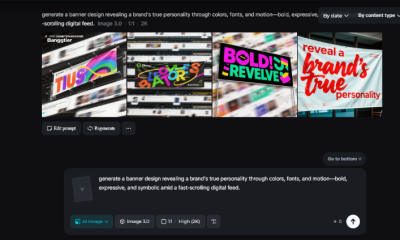

Banner Confessions: What Your Digital Ads Secretly Reveal About Your Brand Personality
Your banners are more honest than you suppose. Every fountain wind, color flash, and vitality circle is still confessing what...


How Data-Driven Tools Are Redefining the Way We Understand Sports?
In today’s digital world, the ability to interpret information has become just as valuable as the information itself. This shift...


The Power of Partnership: How Joint Ventures Shape Dubai’s Real Estate Future?
Dubai’s property market has long been synonymous with innovation, ambition, and global collaboration. Over the past few years, a growing...


How to Be a Good Dog Owner Without Burning Out Your Social Life
Owning a dog is one of life’s most fulfilling experiences. Dogs offer unconditional love, companionship, and a sense of purpose....


How to Become a Professional HGV Driver in Europe?
Becoming a successful hgv driver in Europe opens the door to one of the most stable and well-paid professions in...


How to Build a Workstation & Gaming PC for Developers, Designers, and Gamers?
Building a gaming PC is one of the most rewarding experiences for any gamer. It gives you full control over...


Movierulz 2024: Risks, Reality & Safer Alternatives
In today’s digital landscape, watching movies has become easier than ever before. But alongside the rise of legal streaming platforms,...


CezVisitMax: The Digital Innovation Transforming Czech Tourism
In the evolving world of travel, digital transformation is redefining how people explore destinations. What once relied on guidebooks and...


How to Choose the Best Real Estate Tokenization Platform: A Guide for Smart Investors
The real estate market is undergoing a technological transformation unlike anything seen before. Traditionally, property investment was the realm of...

How to Contact DesignMode24 – Complete User Guide
Introduction Whether you’re seeking design help, licensing information, or collaboration opportunities, knowing how to contact DesignMode24 is essential. Many users...


A Look at Key Indicators Your Campaigns Are Suffering From Ad Fraud
Digital advertising has become a cornerstone of modern marketing strategies, offering businesses the ability to reach targeted audiences with precision...


Timur Turlov — Visionary Behind Freedom Holding’s Global Financial Success
In a world where finance and technology are merging faster than ever, leaders with foresight and courage are redefining how...


How Medical Illustrations and Animations Transform Healthcare?
Medicine is built on precision, but precision often comes with complexity. Explaining anatomy, surgical techniques, or molecular pathways in words...

Why Every Tech Professional Should Consider Dedicated Hosting?
I’ll be honest with you. Three years ago, I thought dedicated hosting was overkill for anyone who wasn’t running a...


7 Ways to Make a Strong Impression in Your Remote Interview
Remote interviews are now the gateway to countless job opportunities in our increasingly digital world. By 2025, with remote work...


8 Voiceover Generators That Will Take Your Interviews to the Next Level
In today’s fast-paced digital world, content creation needs to be quick, efficient, and high-quality. Whether you’re working on an interview...


5 Helpful Tips on Learning New Skills for Career Reinvention
In today’s rapidly evolving job market, the ability to adapt and reinvent your career is more valuable than ever. Whether...


How Does an Assistant for Lawyers Get Hired by a Law Firm?
The many career opportunities offered by law make this profession one of the most sought-after and popular in the worldwide...

The Most Common Questions For Aldi Video Interview
Aldi, a well-known grocery business that operates all over the world, has included video interviews in its methods of hiring...


The Role of Cover Letters in Securing Interviews
Introduction When someone is applying for a job, it is common that most people only focus on their resumes. However,...


The Importance of Preparing a Portfolio for Creative Roles
Introduction In today’s competitive job market it is important to have a well prepared portfolio. It is essential for everyone...


How to Master In-Person Mock Interviews
Introduction Job interviews can be a difficult experience for people but with the right practice they can give it with...


The Role of Skill Assessments in Modern Interviews
Introduction In today’s fast-paced and digital world where the job market is continuously evolving it is important to hire the...


Preparing for Case Study Interviews in Consulting Roles
Introduction Case study interviews are an important part of the hiding process for many consulting firms. They are used to...


How to Utilize Job Descriptions for Preparation
Introduction Job descriptions are more than just a list of tasks and qualifications that a company provides for a specific...


Tips for Asking for Feedback After an Interview
Introduction It is natural to feel excited and hopeful about the results when you have done with the interview. If...


The Role of Honesty in Discussing Weaknesses
Introduction Honesty is considered as one of the most common and important values in life. Honesty works to build trust...


How to Make a Strong First Impression Virtually
Introduction In today’s fast-paced and digital world, the first impression is made online before even meeting someone in person. Someone...


The Importance of Punctuality in Interviews
Introduction Punctuality is considered as one of the most important qualities of a person. When it comes to the job...


The Importance of Knowing Competitors in Industry-Specific Interviews
Introduction When someone is preparing for an industry specific job interview then most people focus on their qualification skills and...


How to Analyze Company Values Before an Interview
Introduction When someone is preparing for a job interview then most of the people focus on their resume, interview questions...


The Importance of Preparing for Group Discussions
Introduction Group discussions are considered an important part of academic and professional life. If someone is a student that is...


Certifications for Breakthroughs in Career Transitions
Introduction In today’s fast paced and advanced world, the job market is continuously evolving. It is difficult to make a...


Best Courses for Advanced Problem-Solving Skills
Introduction Problem solving is considered as an important skill in every field like in business and technology to science and...


Best Presentation Skills Training Programs
Introduction Presentation skills are a valuable and essential skill that helps the people to express their ideas clearly, influence others...


The Importance of Preparing a Portfolio for Creative Roles
Introduction In today’s competitive job market it is important to have a well prepared portfolio. It is essential for everyone...


Top 35 Must Know Greggs Interview Questions & Expert Answers!
Welcome to our guide on the top 35 must-know Greggs interview questions! If you’re preparing for a job interview at...

10 Most Common Competency Based Interview Questions
Interviews based on competencies believe that candidates can show their ability to qualify for a role by describing relevant work...

Why Should We Hire You As A Teacher? Practical Answers
Applying for a teaching post in today’s competitive job market requires you to stand out from other applicants. Teachers have...


How to Conduct a SWOT Analysis for Career Growth
Introduction A SWOT analysis is a simple cut powerful tool that helps to understand these strengths, weaknesses, opportunities and threats...


How to Stay Motivated During Long Job Searches
Introduction The most challenging and frustrating process is looking for a job especially when it takes longer than expected to...


How to Handle Situational Questions Effectively
Introduction Situational questions refer to tests that are taken to test the ability of a candidate to think critically, solve...

Tips for Researching Hiring Managers on LinkedIn
Introduction In today’s competitive and advanced top market it is important to know about how to reset hiring managers on...


The Role of Job Shadowing in Interview Prep
Introduction Job interviews can be extremely stressful especially when someone is entering a new field or applying for a job...


How to Create a Job Application Tracker
Introduction It can be stressful to look for a job especially when someone wants to apply in multiple positions. By...


Top Courses for Enhancing Remote Work Skills
Introduction Remote works are now considered as a major part of today’s professional world. They provide people with flexible schedules,...


How to Master Professional Email Writing Through Online Classes
Introduction In today’s digital and fast paced world, professional email writing is considered as an important skill. If someone is...


Certifications in Workplace Diversity and Inclusion
Introduction In today’s fast paced and digital world there are work places that are becoming more diverse than they ever...


Top Programs for Building Financial Literacy Skills
Introduction Financial literacy is an important life skill that helps the individuals to manage their money and to make informed...
Certifications for Advanced Team Collaboration Skills
Introduction It is important to have teamwork in today’s workplace because it has to build the companies. There are companies...


Tips for Reviewing Company Financials Before Interviews
Introduction When we candidates are preparing for the job interview they only focus on their resume, possible interview questions and...

How to Build a STAR Story Bank for Interviews
Introduction Job interviews can be quite stressful to manage especially when the employers ask behaviour in questions like tell me...


How to Use Nonverbal Cues Effectively During Interviews
Introduction Interviews are considered as an opportunity to present yourself in front of the employers. They are not only about...


Tips for Overcoming Language Barriers in Interviews
Introduction Job interviews can be stressful and they become even more changing when there is a language period between the...


Tips for Answering “What Are Your Career Aspirations?”
Introduction One of the most common questions that is asked in a job interview is what are your career aspirations...


How to Explain Job Hopping Positively
Introduction Job hopping is known as changing jobs frequently within a short period of time. This thing was once seen...


How to Showcase Problem-Solving Abilities
Introduction Problem solving is an important skill that is needed for both professional and personal life. Problem solving helps to...


Tips for Managing Nervousness Before an Interview
Introduction It is normal to feel nervous before the interview. No matter how experienced an individual is, everyone feels the...


How to Highlight Volunteer Work in Interviews
Introduction Nowadays the job market is competitive so it is important to have skills and to gain career experience in...


The 10 Best Video Caption Generators for Podcasts and Interview-Based Content
Video captions are a game-changer in today’s content landscape. Whether you’re producing a podcast, interview, or webinar, captions make your...


A Practical Guide to ESG Ratings and Why They Matter for Investors
Investors today face a complex landscape. Traditional financial analysis is still important, but it no longer tells the whole story....


How to Leverage Career Fairs for Job Hunting
Introduction Career fair is considered as one of the best opportunities for job seekers. Whether someone is a student or...


How to Gather Insights From Glassdoor Reviews
Introduction Glassdoor is considered as one of the most popular platforms in which employees can share about their experience of...


Top Data Visualization Courses Online
Introduction Data visualisation is known as transforming the complex data into visual formats like chart crafts or maps. The main...


Best Project Management Certifications in 2025
Introduction Project management certificate shows that an individual has the ability to manage their project effectively. It helps to show...


Courses That Teach Advanced Public Speaking Techniques
Introduction Public speaking is a valuable and essential scale that helps the people to express their ideas clearly, influence others...


Top Classes for Time Management Mastery
Introduction Time management is considered as one of the most important skills because it allows people to achieve their goals,...


Certifications That Focus on Leadership in Tech
Introduction The technology is continuously evolving and with the technology the need for skill leaders is also growing in the...


Best Online Classes for SEO and Content Marketing
Introduction In today’s digital and advanced world there are businesses and many individuals that focus on search engine optimization (SEO)...


Certifications for High-Demand Cybersecurity Roles
Introduction Cyber security is considered as one of the fastest growing fields in the world. There are many organisations that...


Top Courses for Learning Strategic Planning
Introduction Strategic planning is considered as an important skill for business leaders, entrepreneurs and managers. It mainly helps the organisations...


Best Programs for Coaching in Leadership and Management
Introduction It is important to have leadership and management skills for success in any field. If someone is a manager...


Certifications in Cloud Technology for Non-Tech Professionals
Introduction Cloud technology is rapidly changing the way in which businesses work. Cloud computing is making things faster, easier and...


Top Courses on Digital Transformation Strategy
Introduction Digital transformation is making industries worldwide more advanced. There are many companies that are adapting to new technology as...


Best Online Programs for Learning Supply Chain Analytics
Introduction A supply chain analytics certificate shows that an individual has the ability to manage their supply chain analytics effectively....


Best Classes for Building Resilience in Workplaces
Introduction In today’s fast-paced and advanced world, resilience has become an important skill for every employee and organisation. It is...
Certifications in Organizational Behavior
Introduction Organisational behaviour is known as the study of how people behave in their workplaces and interact with each other...


Preparing for Fintech & Blockchain Interviews: Understanding Ripple’s Roadmap and XRP
For candidates interviewing in fintech, payments, or blockchain roles, awareness of leading technologies and companies is crucial. Ripple and its...


How to Contact DesignMode24.com: Complete Guide
Introduction DesignMode24.com is a popular online platform that provides extensive resources for interior design, home improvement, technology insights, DIY projects,...
-
Useful Tools1 month ago
Movierulz 2024: Risks, Reality & Safer Alternatives
-
Interview Preps7 months ago
Why Should We Hire You As A Teacher? Practical Answers
-
Interview Preps7 months ago
Top 35 Must Know Greggs Interview Questions & Expert Answers!
-
Interview Preps5 months ago
The Most Common Questions For Aldi Video Interview
-
 Interview Preps2 years ago
What Are Competency Based Questions? The Ultimate Guide